Permanent makeup: the complete guide to before and after your treatment
What permanent makeup is, how to prepare, how it heals and how to care for it — brows, lips and eyeliner explained step by step.
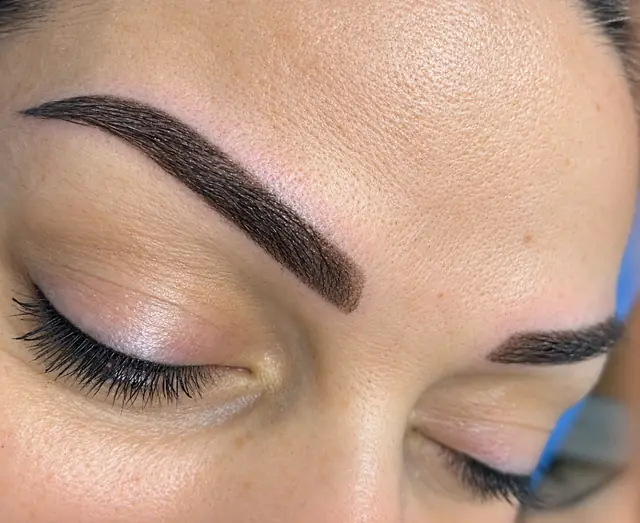
Permanent makeup takes minutes off your morning routine: your brows are always in place, your lips have a natural colour and your eyes look more defined — no brushes or pencils needed. If you are considering it for the first time, you probably have plenty of questions: does it hurt, how long does it last, and how do you look after it? This guide walks you through everything, step by step.
What is permanent makeup?
Permanent makeup (also called micropigmentation, cosmetic tattooing or PMU) places pigment into the upper layers of the skin with a special device. Unlike a classic tattoo, the pigment sits closer to the surface, so it gradually fades over time. That is exactly why the result looks natural — and why you can change the shape or colour years later.
The most popular areas are:
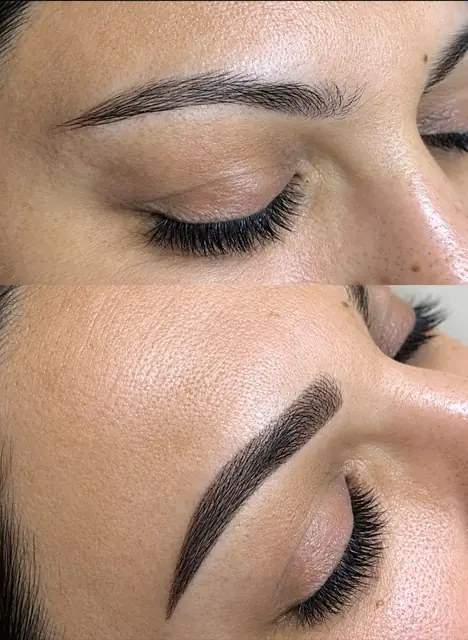
- Brows — filling in the shape and creating symmetry, especially for thin or uneven brows;
- Lips — contour and colour that make lips look fuller and fresher;
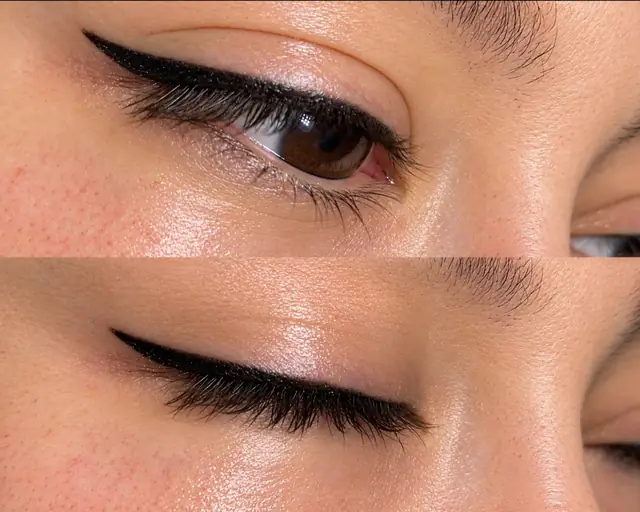
- Eyeliner and lash-line enhancement — defined eyes without any daily makeup.
Who is it for?
Permanent makeup is especially convenient if you lead an active life, often go swimming or to the gym, find applying makeup difficult because of your eyesight, or simply want to save time in the morning.
There are, however, situations when the treatment should be postponed or avoided:
- pregnancy and breastfeeding;
- inflammation, cold sores or a wound in the treatment area;
- fever or an infectious illness;
- uncontrolled diabetes, a blood-clotting disorder or blood-thinning medication;
- a tendency to form keloid scars;
- taking isotretinoin (an acne medication) in recent months.
How to prepare
Half of a good result comes down to good preparation. Before your appointment:
- Stop drinking alcohol and energy drinks two days before — they dilate blood vessels, and the skin holds pigment less well.
- Keep coffee to a minimum on the day of the treatment.
- Avoid long sun exposure and tanning beds for a week before.
- Stop peels and retinol products on the treatment area two weeks before.
- If you have ever had cold sores, talk to your doctor about prevention before a lip treatment.
- Don't pluck or tint your brows for one to two weeks before brow work — your specialist needs to see their natural shape.
What happens during the treatment
The appointment starts with a consultation: the specialist listens to what you want, and together you choose the shape and colour. Next comes a sketch drawn to suit your facial proportions. Pigment is only applied once you have approved the sketch.
Sensation varies from person to person, but most clients describe it as moderate — a numbing cream is often used to keep you comfortable. The whole process, including the consultation and sketch, usually takes 1.5–3 hours.
Healing, day by day
In the first days the colour looks much darker than it will end up. This is normal and nothing to worry about.
- Days 1–3: some redness and swelling are possible, especially on the lips. The colour is intense and dark.
- Days 4–10: a thin crust forms and gradually flakes off on its own. The colour may temporarily look very light, sometimes almost invisible.
- Weeks 2–4: the pigment gradually "comes back" and the colour settles.
- Weeks 4–8: you see the final result, and a touch-up can be done.
Aftercare
Good aftercare directly decides how even and long-lasting the colour will be:
- never pick off the crust — let it fall away on its own;
- apply only the product your specialist recommends;
- don't wear makeup on the area for the first week;
- avoid saunas, swimming pools, tanning beds and direct sun for two weeks;
- after lip work, avoid very spicy and very hot food for the first few days;
- even once healed, use sunscreen outdoors — UV light fades pigment faster than anything else.
Why a touch-up is needed
A touch-up is a normal part of the treatment, not a correction of a mistake. While healing, the skin naturally loses some pigment, so after 4–8 weeks the specialist fills in any lighter areas and deepens the colour if needed. After that, a refresh is usually needed every one to two years, depending on your skin type, age and time spent in the sun. On oily skin, pigment usually fades faster.
Permanent makeup prices at SANLE
At SANLE, permanent makeup is done by Nini. Prices: brows — 150₾, eyeliner — 150₾, lash-line enhancement — 120₾, lip contour and colour — 160₾. Touch-ups start from 80₾. You can see her work in our gallery.
Still deciding between permanent brows and lamination? Read our guide to brow lamination.
Frequently asked questions
How long does permanent makeup last?
Usually one to three years. It depends on your skin type, the area, your aftercare and how much time you spend in the sun.
Does it hurt?
Everyone feels it differently. Most people describe it as moderate, and a numbing cream is used to reduce discomfort.
Can I go to work after the treatment?
Yes. In the first days the colour looks dark and lips may be slightly swollen, but there is no need to limit your everyday activities.
Can old permanent makeup be covered?
In many cases, yes — it depends on the colour and density of the old pigment. The specialist will assess it during the consultation.